
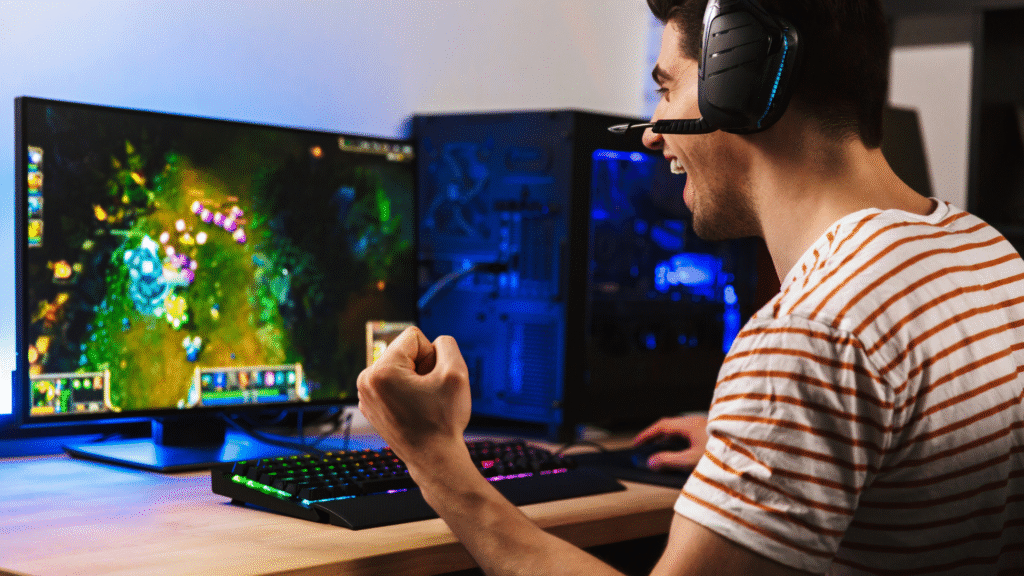
Competitive online gaming has grown into a structured and challenging environment where players test their skills against others worldwide. Whether aiming for casual esports tournaments or serious video game leagues, understanding the basics is essential to start strong. The key to getting started with competitive online play is to focus on mastering game mechanics, improving reaction times, and studying strategies specific to the game.
Many competitive players build their foundation by practising consistently, analysing gameplay, and joining communities that support skill development. Engaging with esports platforms and official rankings helps players track progress and find suitable competition levels.
Choosing the right game for skill and interest also matters, as competitive scenes differ widely across video games. Once the basics are covered, players can enter online tournaments, scrims, or ranked matches to gain experience and climb the competitive ladder.
Choosing the Right Competitive Game
Selecting the right competitive game depends on understanding popular esports titles, recognising personal play style, and gauging the community and competitive environment. These elements help build a foundation for effective practice and enjoyment.
Exploring Popular Esports Titles
Games like League of Legends and Dota 2 dominate the MOBA (Multiplayer Online Battle Arena) scene, focusing on strategic teamwork and complex mechanics. Players who prefer objective-based play and coordination often favour these titles.
In FPS (First-Person Shooter) games, Counter-Strike: Global Offensive and Valorant are highly competitive, emphasising precise aim, map knowledge, and quick decision-making. Call of Duty combines fast-paced action with tactical elements, appealing to players who like aggressive gameplay.
Fortnite blends shooting with building mechanics, attracting players who like dynamic movement and creative strategies. Each game has distinct systems and pacing that influence skill development and competitive approach.
Assessing Your Play Style and Preferences
Players should consider whether they prefer tactical, strategic, or fast-paced gameplay. For example, those who enjoy in-depth strategy may gravitate towards MOBAs like League of Legends. Others who thrive on reflexes and individual skill might choose FPS games such as Valorant or CS.
Team-based vs solo play is important too. Competitive FPS and MOBAs often require teamwork, while some games allow more individual impact. A player’s patience for learning complex mechanics or preference for shorter matches will also guide game choice.
Understanding these factors will help players invest time where they can improve and enjoy competitive play consistently.
Evaluating Game Communities and Competitive Scenes
A strong, supportive community enhances the experience. League of Legends and Dota 2 have large, active player bases with regular tournaments and content updates. This creates many opportunities for competition and learning.
FPS games like CS and Valorant benefit from well-established esports ecosystems, offering frequent online and offline events. These scenes often have clear ranking systems and developer support, which matter for serious competitive players.
Checking community behaviour and resources also helps. Games with toxic or inactive communities can discourage long-term engagement. Researching forums, social media, and official platforms gives insight into a game’s competitive culture.
Setting Up for Success
A solid foundation is essential for competitive online gaming. This includes having the right gear, arranging the gaming area for comfort and efficiency, and maintaining a fast, stable internet connection. Each element plays a crucial role in improving reaction times and overall performance.
Essential Gaming Equipment
He needs a precision mouse designed for low latency and accuracy, such as one with adjustable DPI settings, to ensure quick, responsive aiming. A mechanical keyboard with reliable switches can improve input speed and durability.
A good headset is necessary to hear in-game audio cues clearly and communicate without delay. It should have a clear microphone and noise-isolating ear cups. Quality equipment reduces distractions and enhances focus during intense matches.
Optimising Your Gaming Setup
The gaming space should be well-lit but free of glare on the monitor to reduce eye strain. Position the monitor at eye level and about 50-70 cm away for comfort and better posture. A comfortable, adjustable chair supports long gaming sessions.
Cable management prevents interruptions during play. Keeping peripherals close and within easy reach helps maintain fluid movement and quick responses. Custom settings for mouse sensitivity and keybinds tailored to personal preferences enhance efficiency.
Ensuring a Reliable Internet Connection
A wired Ethernet connection is preferable for stability and minimal lag over Wi-Fi. If Wi-Fi is necessary, using a 5 GHz band and positioning the router nearby improves speed.
Regularly testing ping, packet loss, and jitter helps identify and resolve connectivity issues. Closing background applications that use bandwidth maintains consistent performance during matches. Prioritising gaming traffic with QoS (Quality of Service) settings in the router can also reduce latency.
Developing Skills and Teamwork
Success in competitive online play relies on refining specific game skills and effective collaboration with teammates. Players must excel at core game mechanics, clear communication, and situational awareness to perform consistently.
Mastering Game Mechanics and Strategies
Players should focus on fundamental game mechanics such as aiming precision, movement control, and resource management. Practising these skills through drills and custom games helps build muscle memory.
Studying strategies used by professional players provides insight into positioning, timing, and decision-making. Reviewing game demos or tournament footage enables players to identify effective tactics and common mistakes in high-level play.
Developing a solid understanding of the game’s meta allows players to adapt to evolving strategies. Utilising training tools or guides specific to the game’s mechanics accelerates improvement.
Improving Communication in Team Environments
Clear, concise communication is essential for coordinating strategies and responding to unexpected events. Players should use specific callouts to share enemy positions, cooldowns, or tactical plans quickly.
Using platforms like Discord servers helps maintain constant voice communication during matches, improving response times and team cohesion. Agreeing on communication protocols beforehand reduces confusion in stressful moments.
Encouraging constructive feedback and avoiding toxic language promotes a positive atmosphere. Effective communication ensures that every teammate’s role contributes towards common objectives.
Building Awareness and Adaptability
Map awareness involves constantly tracking enemy locations, teammates’ positions, and key objectives. Players must use minimaps and available in-game tools to maintain this awareness.
Adapting to changing situations on the fly is crucial. This includes altering strategies if a team is losing map control or anticipating enemy tactics based on observed behaviour.
Practising flexibility by playing different roles or practising varied strategies increases a player’s ability to respond effectively. Teams that can adjust quickly are more successful against unpredictable opponents.
Getting Involved in Competitive Play
Starting competitive play involves joining structured events, engaging with fellow players, and steadily improving through higher-level contests. Platforms, community connections, and progression strategies all play crucial roles.
Joining Online Tournaments and Leagues
Players often begin by registering on tournament platforms like Battlefy and Toornament, which host frequent online competitions across various games. These sites provide filters for skill levels, entry fees, and formats, making it easier to find appropriate tournaments.
Tournaments typically require players to submit their gamer tags, adhere to schedules, and follow clear rules. Leagues offer seasonal competitions, with standings and rankings updated regularly, encouraging consistent participation.
Registration steps are straightforward: create an account, join a tournament or league, and complete matches as scheduled. Many events offer cash prizes or in-game rewards, motivating players to sharpen their skills.
Connecting with the Community
Building connections is vital for gaining insight and support. Engaging with online forums, gaming subreddits, and Discord servers dedicated to competitive gaming allows players to share strategies and learn from others.
Professional players often participate in these communities, offering tips or streaming gameplay. Networking can lead to scrims, team invites, or coaching opportunities.
Regular interaction helps players stay informed about upcoming tournaments and meta changes. Active participation fosters a supportive environment critical for progress.
Progressing to Higher Levels of Competition
Advancement requires consistent practice, studying professional gameplay, and analysing personal matches. Reviewing recorded games helps identify mistakes and areas for improvement.
Players should challenge increasingly skilled opponents in ranked matches or higher-tier tournaments to gain experience. Developing mental resilience and maintaining focus during high-pressure matches is essential.
Advanced players often join teams or clans, collaborating through regular practice sessions and strategies. Participation in qualifiers or regional events can open doors to professional circuits.